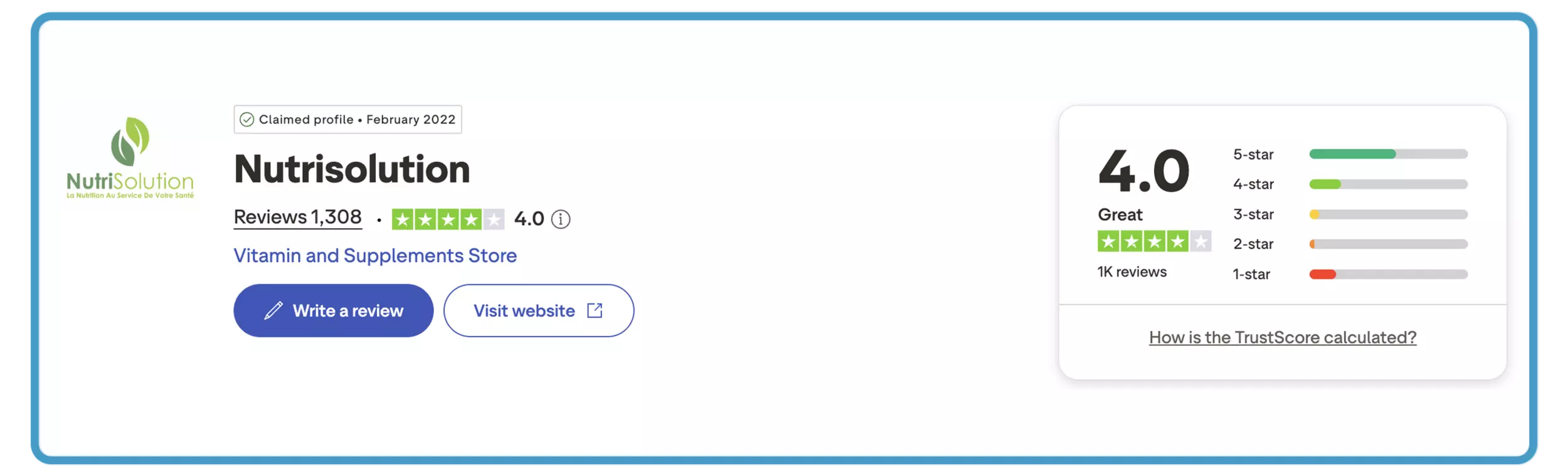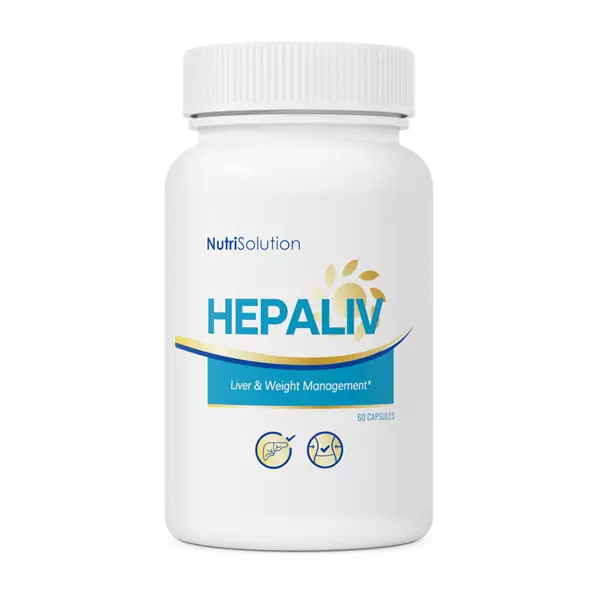
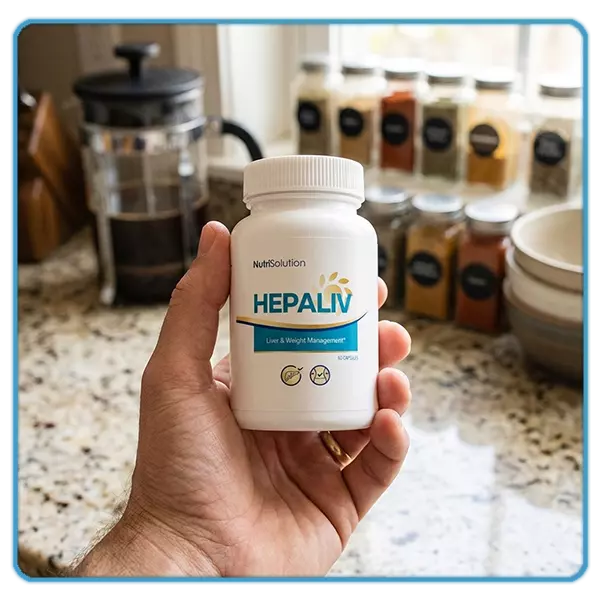
Analysis: Hepaliv's composition and how it works according to science
Composition
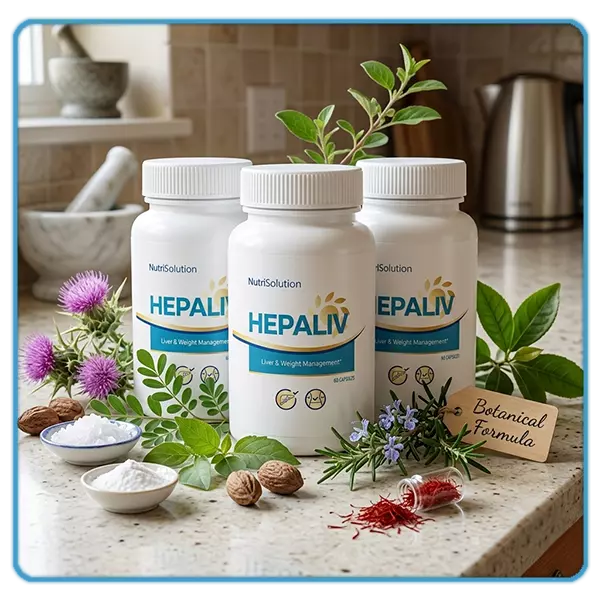
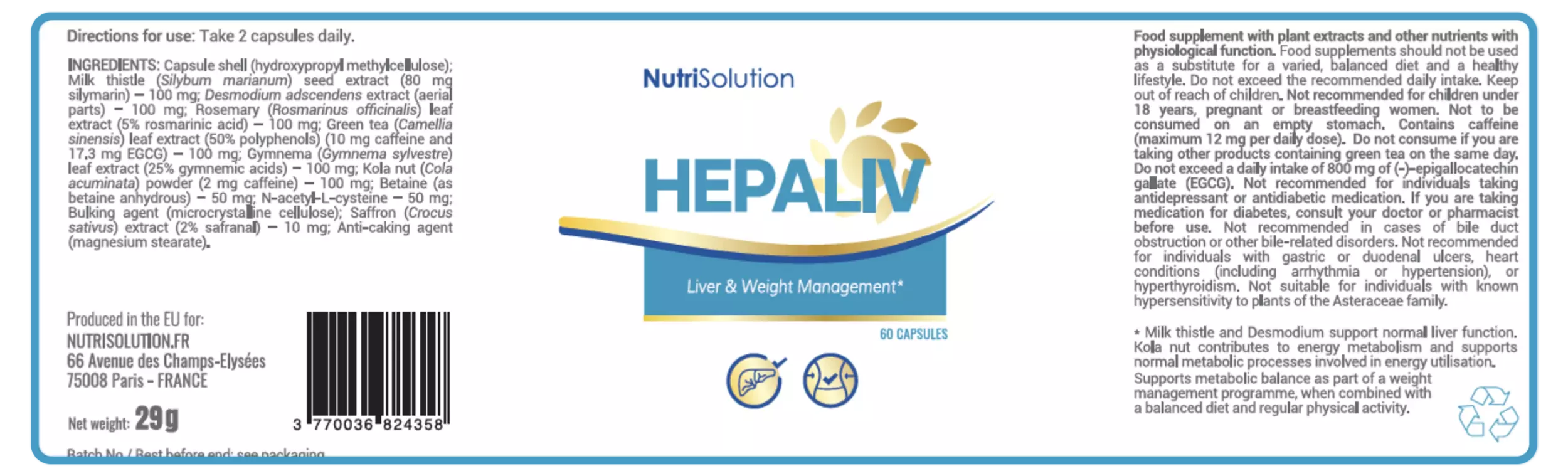
Hepaliv's formula combines nine active ingredients:
- 🌸 Milk thistle extract
- 🌿 Desmodium adscendens
- 🌱 Rosemary leaf
- 🍵 Green tea leaf
- 🍃 Gymnema leaf
- 🌰 Kola nut
- 🧬 Betaine
- 🧪 N-acetyl-L-cysteine
- 🌼 Saffron extract
What the ingredients are used for, according to the science
🌸 Milk thistle extract
Milk thistle (Silybum marianum) is traditionally associated in herbal practice with the body's natural everyday balance. [1, 2] Its main compound, silymarin, is naturally rich in flavonolignans. [3] No health claim for this extract is currently authorised under the GB Nutrition and Health Claims Register, so it should be seen as a traditional botanical rather than a proven effect.
🌿 Desmodium adscendens extract
Desmodium adscendens is a West African plant traditionally used to accompany everyday digestive comfort after heavy meals. [4, 5] No authorised health claim currently exists for this ingredient, so its inclusion reflects traditional use rather than a demonstrated effect.
🌱 Rosemary leaf extract
Rosemary is a Mediterranean herb long used in traditional preparations, generally associated with everyday digestive comfort. [6, 7] No specific health claim for rosemary leaf extract is authorised in Great Britain, so it should be considered a traditional ingredient.
🍵 Green tea leaf extract
Green tea (Camellia sinensis) naturally contains catechins and a small amount of caffeine. [8] It is widely used in weight-management routines, though the specific slimming claims submitted for green tea and caffeine have been assessed as non-authorised under the GB register. [9] We mention it here as a traditional ingredient, and note that its natural caffeine content should be considered by anyone sensitive to stimulants.
🍃 Gymnema leaf extract
Gymnema sylvestre is a plant traditionally used in Ayurvedic practice, often linked to the management of sugar cravings. [10, 11] No authorised health claim currently covers this use in Great Britain, so it is included here on the basis of traditional use.
🌰 Kola nut powder
Kola nut (Cola nitida / Cola acuminata) is a natural source of caffeine, traditionally used in West Africa for its stimulating properties. [12, 13] Caffeine-related energy claims have been assessed as non-authorised in the GB register, so we present kola nut as a traditional stimulant plant. As with any caffeine source, moderate use is recommended, particularly later in the day.
🧬 Betaine
Betaine is the one ingredient in Hepaliv that carries an authorised health claim under the GB register: betaine contributes to normal homocysteine metabolism, provided a daily intake of 1.5 g is reached. [14] At 50 mg per daily dose, Hepaliv's betaine content sits below this level, so the claim should be read as background information rather than an effect delivered by the product as sold.
🧪 N-acetyl-L-cysteine
N-acetyl-L-cysteine is a derivative of the amino acid cysteine, traditionally associated with the body's antioxidant balance. [15, 16] No authorised GB health claim currently covers this use, so it is presented here on the basis of its traditional profile.
🌼 Saffron extract
Saffron (Crocus sativus) is a spice traditionally associated with everyday mood comfort and general wellbeing. [17, 18] No authorised health claim currently exists for saffron extract in Great Britain, so this ingredient should be considered on the basis of traditional use.